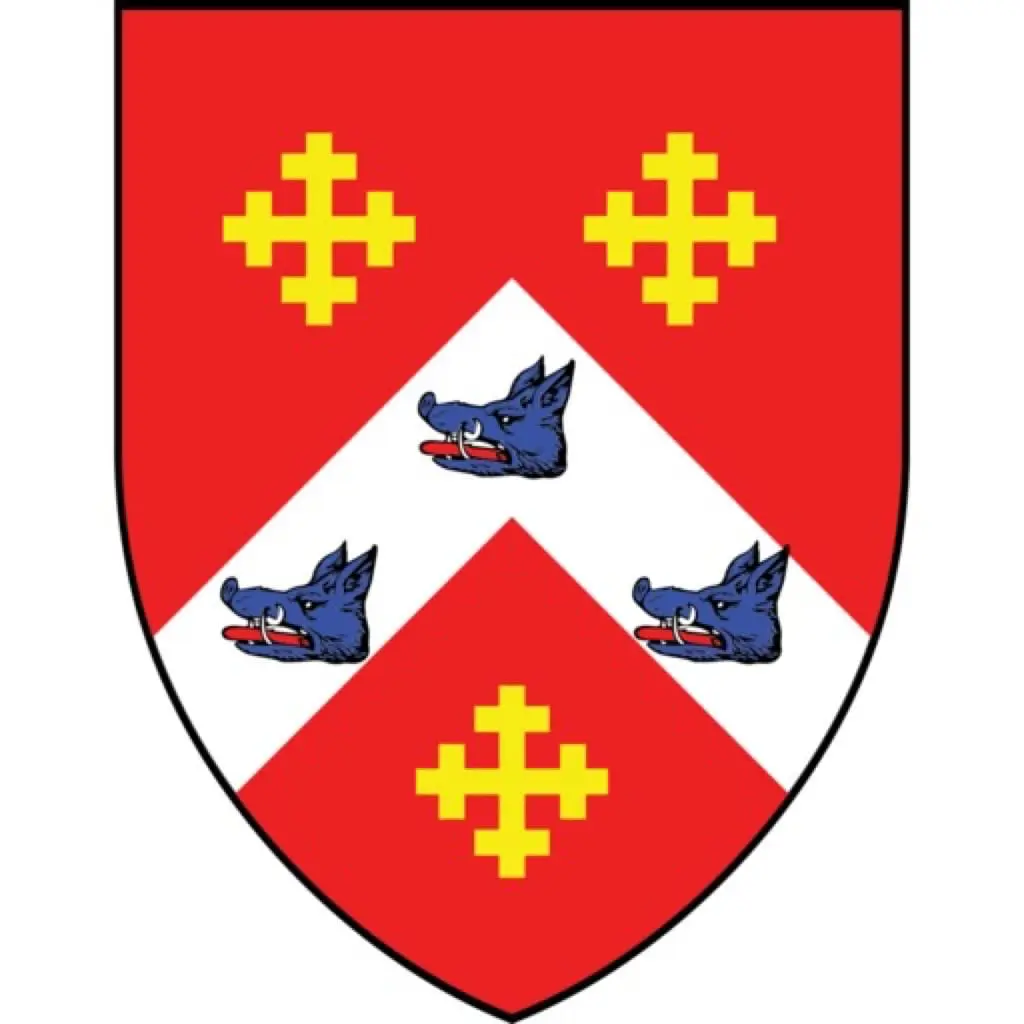
Family record
1700–1845: Parishes, Land & Family Lines
The eighteenth and early nineteenth centuries form the bridge between older family traditions and documentary genealogy.
1700–1845
For many Irish families, this is the period when named people and households begin to emerge from surviving records with enough detail to reconstruct relationships.
Parish records
Catholic and Protestant parish registers may preserve baptisms, marriages and burials. Depending on the parish, surviving registers can identify:
- parents and children,
- spouses,
- baptismal sponsors,
- marriage witnesses,
- neighboring families,
- and recurring given names.
Coverage varies greatly. Some parishes have comparatively early registers; others begin only in the nineteenth century.
Land and locality
Irish genealogy depends heavily on place.
Townlands, parishes, estates and neighboring households can be as important as surnames. Useful sources may include:
- leases and rent rolls,
- estate papers,
- tithe records,
- church records,
- early valuation material,
- local histories,
- and surviving legal records.
Building family groups
A single record may reveal little. Several records viewed together can identify a family network.
Sponsors at baptisms, witnesses at marriages, neighboring tenants, repeated names and later migration patterns may help distinguish one McManus household from another.
Research goal
The central goal for this era is to identify the earliest securely documented ancestors of the McManus family represented on this site and determine the Irish community from which the nineteenth-century family emerged.